
How Can I Follow a 7 Day Weight Loss Challenge?
A beginner-friendly 7 day weight loss challenge focuses on repeatable habits, not rapid weight loss: build balanced meals, add manageable movement, and track habits consistently. Use the week to test a routine you can continue, adjust activity to your ability, and treat a missed meal plan or workout as a cue to resume—not to restrict or overcompensate.
How can I follow a 7 day weight loss challenge as a beginner?
Follow the challenge by choosing one practical food habit, one movement option, and one tracking method each day. The aim is to rehearse a routine that fits your real schedule, not to force a dramatic scale change in a week.
The National Institute of Diabetes and Digestive and Kidney Diseases (NIDDK) says a sound weight-loss program combines a healthy reduced-calorie eating plan, appropriate physical activity, habit support, and a maintenance plan. It describes 5% to 10% of starting weight over 6 months as an initial goal recommended by experts; that is a longer-term benchmark, not a promise or a seven-day target. The National Heart, Lung, and Blood Institute describes about 1 to 2 pounds per week as a reasonable rate for adults, while cautioning that faster loss does not lead to better long-term results and can carry added risks.
Use this flexible checklist as a daily prompt. Repeat a day if needed; the sequence is a practice plan, not a pass-or-fail test.
| Day | Food habit | Movement and readiness check |
|---|---|---|
| 1 | Plan a meal with vegetables or fruit, a whole grain, and a protein source. | Choose an easy walk or another comfortable movement option. Check how your body responds. |
| 2 | Include a protein source such as beans, eggs, seafood, lean meat, nuts, or soy. | Repeat a manageable activity period; shorten or slow it if needed. |
| 3 | Choose whole fruit or vegetables as part of a meal or snack. | Add a brief strength activity only if it feels safe and familiar; otherwise walk or do gentle movement. |
| 4 | Build a meal around a whole grain and a protein option you enjoy. | Use a lighter movement day if you feel tired, then note what was realistic. |
| 5 | Prepare or plan one meal ahead to make the next choice easier. | Repeat the activity that felt most manageable so far. |
| 6 | Make another balanced meal using foods that fit your budget and preferences. | Try a comfortable walk or a simple strength activity, based on readiness. |
| 7 | Review which meal habits were easiest to repeat. | Choose comfortable movement and plan what will continue on Day 8. |
If a meal or workout is missed, resume with the next planned choice. NIDDK recommends returning promptly to a healthy eating plan after a setback and tracking food, activity, and weight to support progress. A missed item does not require skipping the next meal or doubling the next workout.
Track the process as well as the outcome: mark meals planned, activity completed, and how manageable the routine felt. If you choose to weigh, use the same scale at a consistent time and look at the trend rather than reacting to one reading. The NHS Tayside Nutrition and Dietetic Service suggests weighing in the morning after using the toilet and before dressing or eating, and assessing changes over several weeks; it also notes that waist, hip, neck, or leg measurements are alternatives for people who prefer not to weigh.
What should I eat each day during a 7-day weight loss challenge?
Eat a mix of vegetables, whole fruit, whole grains, and protein foods, arranged into meals you can sustain. There is no required seven-day menu in the cited guidance, so use the framework to choose foods that suit your preferences, culture, and budget.
NIDDK lists vegetables, whole fruits, whole grains, low-fat dairy or fortified alternatives, and protein sources such as beans, eggs, seafood, lean meat, nuts, and soy as parts of a healthy eating pattern. Its cited Dietary Guidelines recommend limiting added sugars and saturated fat to less than 10% of daily calories each, and sodium to less than 2,300 mg per day. These are general population recommendations, not an individualized meal prescription.
Make the plan concrete with a simple meal-building sequence:
- Choose a base: Add vegetables or whole fruit to the meal.
- Add staying power: Include a protein source, such as beans, eggs, seafood, lean meat, nuts, or soy.
- Round it out: Choose a whole grain, and include low-fat dairy or a fortified alternative if it suits your needs.
- Make it repeatable: Identify one meal you can prepare or assemble again, rather than requiring a new recipe every day.
The CDC explains that weight loss involves a calorie deficit created by combining calories used through activity with reducing calories consumed, and notes that most weight loss comes from reducing calories. That does not mean the challenge needs severe restriction: a pattern that is difficult to sustain is a poor fit for continuing beyond the week. NIDDK puts the practical test plainly: “The key to losing weight is choosing a healthy eating plan that you can maintain over time.”
For a useful follow-up on one specific food question, see What Food Can Reduce Belly Fat Fast? The broader point remains the same: build an overall eating pattern rather than expecting one food to determine the result.
What exercises can I do at home during the challenge?
Choose movement you can do safely at home, such as walking in place or around your home, and add simple muscle-strengthening activity only when it suits your ability. Start at a comfortable level; consistency matters more than making every session intense.
The CDC says adults need at least 150 minutes of moderate-intensity aerobic activity per week, or 75 minutes of vigorous activity, plus muscle-strengthening activity on at least 2 days weekly. It also explains that the weekly moderate-activity target can be divided into manageable options, including 30 minutes on 5 days or about 22 minutes daily. These are weekly guidelines, not a requirement to complete a full target during this seven-day beginner plan.
Use a readiness check before each session: Can you do this movement comfortably, and can you repeat it without pushing through pain or unusual symptoms? If the answer is no, reduce the time or intensity, choose a gentler option, or rest. NIDDK advises people with chronic conditions or disabilities to choose safe, achievable activities; people with conditions such as heart disease, high blood pressure, or diabetes should consult a health professional before beginning regular activity.
The CDC’s practical starting point is that “Some physical activity is better than none.” Turn that into an action: if a planned longer session does not fit, take a shorter comfortable movement break rather than abandoning the day. The weekly target can be built over time according to your circumstances, and the amount associated with weight management varies between people.
Frequently Asked Questions
How do I adapt a weight loss challenge if I have limited time or fitness?
Choose short, manageable activity periods and build them into a routine you can repeat. The CDC notes that some physical activity is better than none, and NIDDK advises people with chronic conditions or disabilities to choose safe, achievable activity. If you have a condition such as heart disease, high blood pressure, or diabetes, consult a health professional before beginning regular activity.
How can I tell whether a week-one scale change is water weight or lasting progress?
You cannot reliably identify fat loss from one weigh-in: water and body-fat changes can make weight vary over a few days, and low-carbohydrate diets can cause early scale changes through glycogen and associated water loss. Weigh under consistent conditions and compare recorded trends over several weeks. Track habits or waist measurements as additional ways to monitor progress.
What should I do after the seventh day to avoid regaining weight?
Carry forward the meals and movement habits you can maintain, then review what made them practical. NIDDK recommends continuing healthy food choices, keeping a regular weight record, and aiming for at least 300 minutes of moderate activity weekly for weight-loss maintenance. Build toward that activity level in a way that fits your health and circumstances.
Sources
- NIDDK, Eating & Physical Activity to Lose or Maintain Weight
- CDC, Physical Activity and Your Weight and Health
- NIDDK, Choosing a Safe & Successful Weight-loss Program
- NHLBI, Practical Guide to the Identification, Evaluation, and Treatment of Overweight and Obesity in Adults
- NHS Tayside Nutrition and Dietetic Service, Understanding Your Weight
Disclaimer: This article is for general information only and is not medical advice. It is not a substitute for diagnosis or treatment by a qualified healthcare professional. Always speak to your doctor before acting on anything you read here.
Read next

Are AREDS2 Eye Vitamins Right for Age-Related Macular Degeneration?
A clear guide to who benefits from AREDS2, what it cannot prevent, and how it differs from general eye-health supplements.
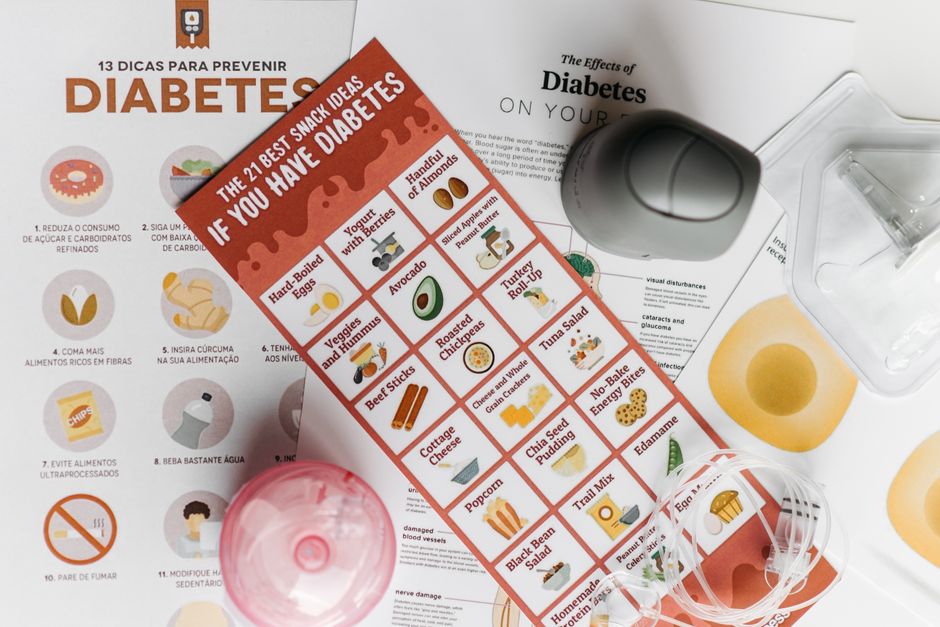
What Are the Best Low-Sugar Snacks for Diabetes?
Compare snack portions and labels, see why sugar-free is not automatically low-carb, and build practical pairings for diabetes.

What Food Can Reduce Belly Fat Fast?
No single food targets belly fat; filling foods can support gradual fat loss as part of a sustainable eating pattern.

Does Collagen Help Knee Osteoarthritis?
Compare collagen formulations, clinical evidence, study limits, realistic expectations, and supplement-label quality checks for knee osteoarthritis.