
What Are the Best Low-Sugar Snacks for Diabetes?
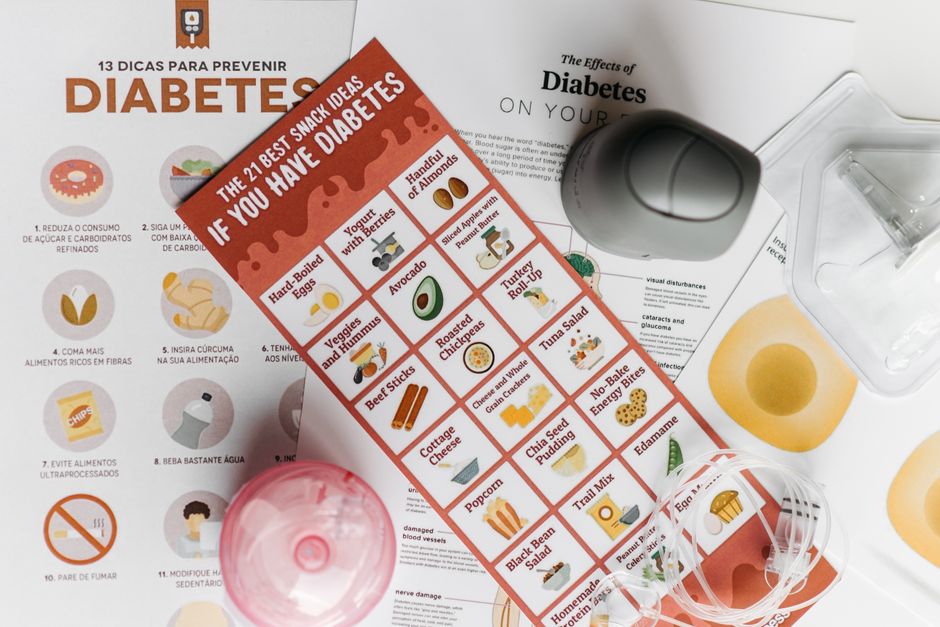
For a filling snack, compare the serving size and total carbohydrate on the label, then pair a carbohydrate-containing food—such as whole fruit or measured popcorn—with protein, healthy fat, or fiber. “Sugar-free” only describes sugar content, not total carbohydrates. Nuts, fruit with cheese, and vegetables with hummus are practical options; the right portions and carbohydrate targets depend on your individual care plan.
What are some filling snacks that won't spike my blood sugar?
Choose a snack by looking at its portion and what you pair together, rather than expecting any one food to prevent a blood-sugar rise. Carbohydrates raise blood sugar, and the effect depends on the food and what it is eaten with, according to the CDC’s diabetes meal-planning guidance.
That gives you a useful pairing rule: combine a carbohydrate-containing food with protein, fat, or fiber. The CDC explains that eating these together slows how quickly blood sugar rises. The American Diabetes Association (ADA) offers practical combinations including fruit with cheese or nuts, hummus or guacamole with carrots or celery, and nut butter with apple slices or celery. These combinations are options to compare, not a promise of a particular glucose response.
Portion is the other half of the decision. The CDC recommends measuring a snack rather than eating straight from its package and gives 1–2 ounces of nuts as an on-the-go estimate of a cupped handful. The same CDC guide uses 15 grams of carbohydrate as one carbohydrate choice; its listed portions include 3 cups of popped popcorn and a small whole apple weighing 4 ounces. Treat those as reference examples, not automatic targets for your own snack.
| Snack idea | How to compare it | Pairing or portion check |
|---|---|---|
| Nuts | Check serving size and total carbohydrate on the package. | Measure a portion; CDC gives 1–2 ounces as an on-the-go estimate. |
| Whole fruit | Compare the portion and total carbohydrate. | Pair with cheese or nuts; CDC lists a small 4-ounce apple as a fruit portion. |
| Popcorn | Check the package label; varieties and serving sizes can differ. | CDC lists 3 cups popped as a snack portion in its carbohydrate guide. |
| Vegetables with hummus | Compare the label and portion of the dip. | ADA suggests hummus or guacamole with carrots or celery. |
Pack the portion you intend to eat. That simple move makes the label useful in real life: you know which serving you are comparing instead of guessing how much went into the bowl.
Are sugar-free snacks actually better for diabetes?
Not automatically. “Sugar-free” describes the amount of sugar under a defined serving measure; it does not establish that a snack is low in total carbohydrate or a better fit for an individual diabetes meal plan.
The FDA defines a sugar-free food as containing less than 0.5 grams of sugars per reference amount customarily consumed and per labeled serving. The ADA gives the same less-than-0.5-gram threshold per serving and notes that “reduced sugar” means at least 25% less sugar than the regular version. A reduced-sugar product can still contain carbohydrates, so the front-of-package claim is only the start of the comparison.
“Keto-friendly” and “net carbs” are not substitutes for the Nutrition Facts panel. The ADA says “net carbs” is not defined by the FDA and recommends checking total carbohydrates instead. Sugar alcohols may appear in ingredient lists or carbohydrate-related claims, but the research sources provided here do not establish a general rule for calculating their effect across products. Use the product’s Nutrition Facts serving size and total carbohydrate as your consistent comparison points.
A quick label translation helps. “Sugar-free” answers, “How much sugar under the claim’s serving definition?” It does not answer, “How much total carbohydrate will I eat?” For that, turn to the Nutrition Facts panel and check the serving you will actually consume.
What should I look for on a snack label besides total sugar?
Start with serving size, then check total carbohydrate, fiber, and protein; use the ingredient list and any front-label claims as supporting details. The ADA advises checking total carbohydrate first because it includes sugar, starch, and fiber, and the listed nutrients are based on the stated serving size.
If you eat more than one labeled serving, you also consume more of the listed nutrients. So a package that looks like one convenient snack may require a closer look: compare the portion you plan to eat with the label’s serving, then account for the difference. This is especially important when portioning chips, bars, or packaged “keto” snacks.
Fiber and protein can help you assess what accompanies the carbohydrate, but neither makes serving size irrelevant. The ADA recommends snacks that combine protein, healthy fats, and fiber, with or without carbohydrates. For a quick comparison, scan the panel in this order:
- Serving size: Identify the amount the listed nutrition applies to.
- Total carbohydrate: Compare this figure for the portion you expect to eat.
- Fiber and protein: See whether the snack offers components that can make the pairing more filling.
- Sugar and claims: Check total sugar and added-sugar information when listed, but do not let “sugar-free” replace the carbohydrate check.
The CDC’s snack guide lists examples such as a ¾-ounce snack or granola bar and about 13 regular tortilla or potato chips weighing 1 ounce as carbohydrate portions. Those are examples, not reliable substitutes for a current package label: the CDC advises checking actual packaged-food labels. Yogurt also varies in carbohydrate content, so check its label rather than assuming one product matches another.
Finally, keep general guidance separate from your personal target. The CDC says carbohydrate targets should be individualized with a doctor or registered dietitian, and the ADA recommends working with a healthcare team to identify an appropriate meal pattern. Use the label to make a clear comparison, then use your care plan to decide what fits. For a useful practice this week, compare two snacks you already buy: note the serving size, total carbohydrate, and what protein or fiber you could pair with each.
Frequently Asked Questions
Which low-sugar snacks are easy to take to work?
Measured nuts, a small whole apple paired with cheese or nut butter, and a snack portion of popcorn are portable options to compare. Check each package’s serving size and total carbohydrate, and pack a portion instead of eating directly from a larger bag.
Can fruit be part of a low-sugar snack?
Yes. Whole fruit can fit into a snack, and pairing it with cheese, nuts, or nut butter combines it with protein or fat. The CDC says fruit juice raises blood sugar faster than whole fruit; portion size and your individual carbohydrate plan still matter.
Sources
- American Diabetes Association: Making Sense of Food Labels
- U.S. Food and Drug Administration: Guidance Regarding Sugar-Free Claims
- Centers for Disease Control and Prevention: Diabetes Meal Planning
- American Diabetes Association: Meal Planning
- Centers for Disease Control and Prevention: Carbohydrate Lists—Starchy Foods
Disclaimer: This article is for general information only and is not medical advice. It is not a substitute for diagnosis or treatment by a qualified healthcare professional. Always speak to your doctor before acting on anything you read here.
Read next
Does Collagen Help Knee Osteoarthritis?
Compare collagen formulations, clinical evidence, study limits, realistic expectations, and supplement-label quality checks for knee osteoarthritis.
How Do You Choose the Right Drinking Water?
Compare tap, filtered, bottled, and mineral water using local quality reports, certified filter claims, taste, cost, and household needs.
Are Multivitamins and Supplements Safe With Kidney Disease?
A kidney-safety guide to multivitamins, vitamin C, fat-soluble vitamins, detox blends, dialysis, and kidney-stone risk.

Are AREDS2 Eye Vitamins Right for Age-Related Macular Degeneration?
A clear guide to who benefits from AREDS2, what it cannot prevent, and how it differs from general eye-health supplements.