
Does Collagen Help Knee Osteoarthritis?

Collagen supplements may reduce knee osteoarthritis pain and improve function for some people, but results vary and do not show that collagen repairs cartilage or slows the disease. Formulation matters: evidence for hydrolyzed collagen peptides cannot automatically be applied to undenatured type II collagen. Check the label and quality testing, and discuss possible interactions with a health care provider.
Does collagen actually help knee osteoarthritis pain?
Collagen can help reduce pain and improve function in some study groups, but the pooled result is not a guarantee for an individual or for every product. The practical question is not simply “Does collagen work?” It is “Which formulation was studied, in whom, and what outcome changed?”
A 2025 systematic review and meta-analysis indexed on PubMed included 11 randomized trials with 870 participants. The pooled results favored collagen for function, with a mean difference of −6.46, and for pain, with a mean difference of −13.63. The review reported substantial variation between studies: I² was 75% for function and 88% for pain. Those figures mean that the combined estimate does not describe a uniform response across trials. The 2025 review therefore supports a possible symptom benefit while leaving meaningful uncertainty about how consistently it applies.
One randomized, double-blind, placebo-controlled trial published in Nutrients in 2025 studied adults with grade II or III knee osteoarthritis. Participants received hydrolyzed collagen peptides or placebo for six months; the collagen group had lower pain and Lequesne algofunctional index scores at the end of the study, with reported p < 0.001. The tested product was bovine type I/III hydrolyzed peptides with vitamin C, so its result is evidence about that tested formulation and trial—not every product sold as collagen. The trial report also does not establish cartilage repair or slower structural progression.
That distinction matters. A change in reported symptoms is not proof that damaged cartilage has been rebuilt. The trial authors note that available osteoarthritis treatments have not been demonstrated to delay disease progression. Treat collagen research as a question about possible symptom relief, not a promise of disease modification.
Is type II collagen different from collagen peptides?
Yes. Undenatured type II collagen and hydrolyzed collagen peptides are distinct formulations, and evidence for one cannot simply be transferred to the other. “Collagen” on the front of a bottle is not enough information to match a product to a study.
The Nutrients trial tested hydrolyzed bovine type I/III peptides with vitamin C. A separate prospective study published in Revista Brasileira de Ortopedia evaluated undenatured type II collagen, often called UC-II, in women aged 60–80 with knee osteoarthritis. The UC-II group’s pain and WOMAC scores changed more favorably than those of the control group at the study endpoint. But participants also received physical therapy and could use pain medicines, and the control group did not receive a placebo. Those design features make it harder to identify the supplement’s independent effect. The study authors also say further clinical studies are needed to establish clinical importance.
Use a simple label-to-study check before comparing products:
- Form: Is the label describing hydrolyzed peptides or undenatured type II collagen?
- Ingredients: Does the product include other ingredients that were also part of the studied formulation?
- Evidence match: Does the cited research test the same form, or is the claim borrowing results from a different product?
This is a comparison tool, not a recommendation to take a supplement. It helps keep the evidence attached to the product actually studied.
How long might collagen take to affect joint symptoms?
Studies have assessed symptom changes over weeks to months, so the evidence does not support expecting an immediate effect. A six-month trial of hydrolyzed peptides reported lower pain and functional-index scores than placebo at six months; the UC-II study assessed outcomes after 90 days. These are study timeframes, not deadlines by which every person should feel a change.
The results are not a head-to-head comparison. The studies used different collagen formulations, participants, and designs, and the UC-II study included physical therapy and access to pain medicines. The meta-analysis also found substantial variation across its included trials. Put together, that means a timeline from one study cannot be used to predict an individual response or to rank products directly.
If you are considering a supplement, take the label and the study claim to a health care provider. The NIH Office of Dietary Supplements advises discussing supplements with health care providers, including possible interactions with medicines. A useful question is: “This label says it contains [form and ingredients]. Does that fit my health situation and current medicines?” It gives the clinician a specific product to assess rather than an unclear category.
Frequently Asked Questions
What does research say about collagen and joint function?
A 2025 systematic review and meta-analysis found pooled results favoring collagen for function and pain, but study results varied substantially. A trial of hydrolyzed peptides and a separate study of undenatured type II collagen examined different products and designs, so their findings should not be treated as interchangeable.
How can I tell whether a collagen supplement is good quality?
Read the label for the named collagen form, amount per serving, and other ingredients. USP or NSF seals can indicate manufacturing checks, label-ingredient verification, and contaminant screening, but they do not guarantee safety or effectiveness. Discuss the product and possible medicine interactions with a health care provider.
The NIH Office of Dietary Supplements explains that supplement labels list active ingredients and amounts per serving, while the FDA does not determine whether supplements are effective before they are marketed. Independent seals such as USP and NSF can provide information about manufacturing and product checks, but—as the NIH notes—they do not guarantee that a product is safe or effective. Before making a decision, compare the label with the formulation in the research, then ask a health care provider about the product and possible interactions.
Make the next step concrete: write down the collagen form, listed ingredients, and any quality-testing seal on the product you are considering. Ask whether that exact product is appropriate to discuss alongside your current care and medicines. The evidence gives you a reasoned way to evaluate a claim; it does not promise a result.
Sources
- Clinical and Experimental Rheumatology (indexed on PubMed), 2025 systematic review and meta-analysis
- Nutrients, randomized placebo-controlled trial
- Revista Brasileira de Ortopedia, prospective UC-II study
- NIH Office of Dietary Supplements, Dietary Supplements: What You Need to Know
Disclaimer: This article is for general information only and is not medical advice. It is not a substitute for diagnosis or treatment by a qualified healthcare professional. Always speak to your doctor before acting on anything you read here.
Read next

How Do You Choose the Right Drinking Water?
Compare tap, filtered, bottled, and mineral water using local quality reports, certified filter claims, taste, cost, and household needs.
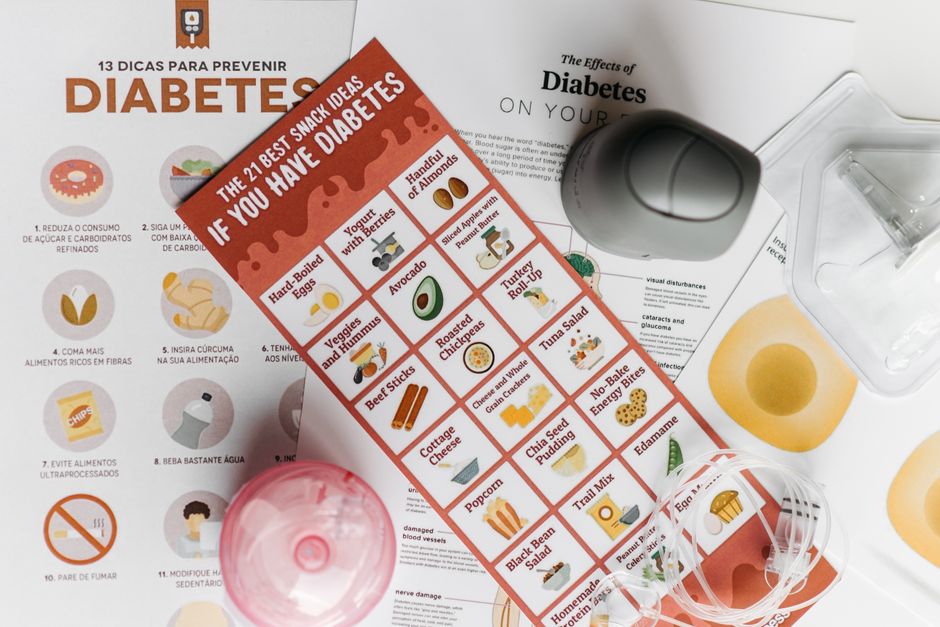
What Are the Best Low-Sugar Snacks for Diabetes?
Compare snack portions and labels, see why sugar-free is not automatically low-carb, and build practical pairings for diabetes.

Are Multivitamins and Supplements Safe With Kidney Disease?
A kidney-safety guide to multivitamins, vitamin C, fat-soluble vitamins, detox blends, dialysis, and kidney-stone risk.

Are AREDS2 Eye Vitamins Right for Age-Related Macular Degeneration?
A clear guide to who benefits from AREDS2, what it cannot prevent, and how it differs from general eye-health supplements.