
What Food Can Reduce Belly Fat Fast?
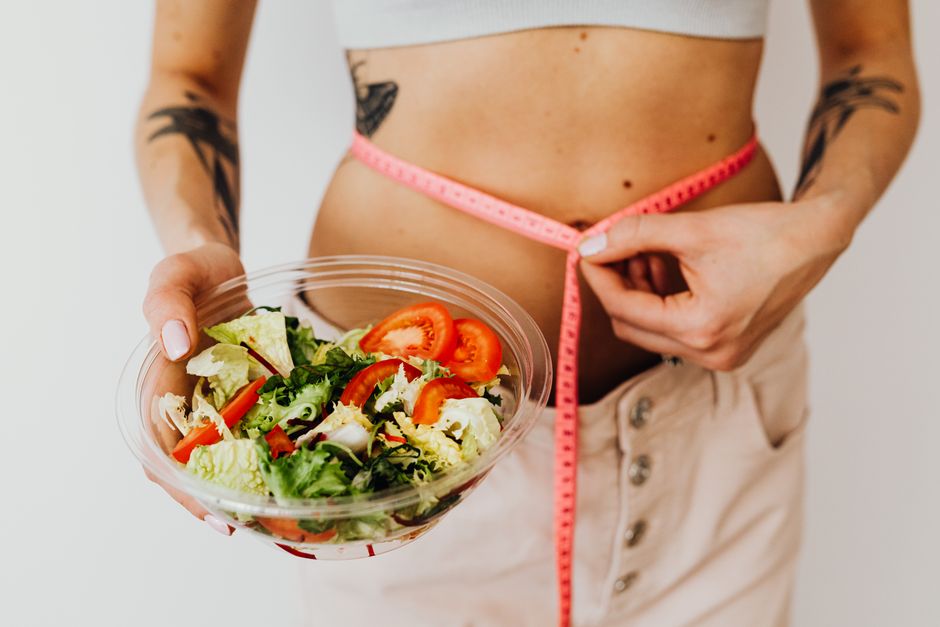
No single food can reduce belly fat fast or target fat around the waist. Foods such as beans, oats, fruit, vegetables, and lean protein can support overall fat loss when they help form a sustainable eating pattern with fewer calories. NIDDK describes losing 1 to 2 pounds per week as a reasonable short-term goal, so a seven-day change is not a promise of major fat loss.
What foods burn belly fat quickly?
No food burns belly fat quickly on its own. The useful question is which foods make an overall eating pattern more filling and easier to sustain while managing calorie intake.
Try these five building blocks:
- Beans and lentils: Legumes provide fiber and can make a meal more filling. A systematic review found higher legume intake associated with lower risk of some adiposity outcomes, but observational links do not prove that a particular food causes fat loss.
- Oats and other whole grains: Whole grains add fiber and fit a dietary pattern associated with more favorable body-weight outcomes. The USDA review supports patterns rich in whole grains, not a special belly-fat effect from oats.
- Whole fruit: Fruit is part of the dietary patterns linked with favorable weight outcomes in the USDA review. It can be paired with a meal or snack rather than treated as a fat-burning remedy.
- Vegetables: Vegetables add variety and help build meals around foods emphasized in the USDA evidence review. Choose forms that suit the meal and are easy to include consistently.
- Lean protein: Add a protein food to make a meal more substantial. The supplied evidence supports an overall balanced dietary pattern, rather than a claim that one protein food directly reduces abdominal fat.
Fiber offers a plausible route to greater fullness. A systematic review and meta-analysis by Salleh and colleagues reports that soluble fiber can slow gastric emptying and increase perceived satiety. The authors also note that effects vary by fiber type and food form, that included studies had high risk of bias, and that longer-term research is needed before drawing conclusions about sustained weight loss.
The USDA review reports moderate evidence linking dietary patterns rich in fruits, vegetables, whole grains, legumes, unsaturated oils, and fish—and lower in sugar-sweetened foods and drinks—with more favorable body-weight or obesity outcomes. This is a pattern-level finding, not a list of foods that selectively remove waist fat.
How to reduce a big tummy in 7 days?
You cannot count on reducing abdominal fat in seven days. NIDDK says that losing 1 to 2 pounds per week is a reasonable short-term goal; the figure describes a general pace, not a guaranteed result or a target for one body area.
A change in how your stomach looks or how the scale reads over a week does not by itself show that you lost belly fat. Bloating and short-term weight changes are different from sustained fat loss. No food or drink can choose where the body loses fat.
NIDDK recommends a sustainable reduced-calorie eating plan and regular activity, not a crash diet. Its practical guidance includes choosing lower-calorie foods and drinks, eating smaller portions of foods high in calories, fat, and sugar, and replacing sugary drinks with water. The guidance is based on the NIH-sponsored Diabetes Prevention Program.
Use the week to make repeatable choices rather than to chase a dramatic change. For example, make meals from vegetables, a whole grain or legumes, and a protein source; choose water instead of a sugary drink; and check portions of calorie-dense foods. These steps align with the cited guidance, but they do not promise a particular result by a deadline.
What should I eat this week to start losing belly fat?
Build this week’s meals from filling foods and a sustainable overall pattern, rather than following a restrictive menu. One day can show how those pieces fit together without prescribing a calorie target.
Breakfast: Oatmeal with fruit, alongside a protein food. Lunch: Beans with vegetables and a whole-grain base. Snack: Fruit or vegetables paired with a satisfying food. Dinner: Lean protein with vegetables and a whole grain or legumes. Adjust the foods and portions to fit your needs; this example is not an individualized diet plan.
Read labels on foods that can seem unrelated to sweets. Check cereals, snack bars, sauces, and dressings for added sugar. Compare products and use the ingredient and nutrition information to spot options with less added sugar, since the USDA review links dietary patterns lower in sugar-sweetened foods and drinks with more favorable weight outcomes.
Keep the goal practical: a meal should be satisfying enough to repeat, and the pattern should not depend on skipping meals or a single “special” ingredient. NIDDK’s guidance favors a sustainable reduced-calorie plan. That makes the routine—not a one-day menu—the relevant unit of change.
Is there one food that targets belly fat?
No single food targets belly fat. Research summarized by the USDA supports dietary patterns, while the food-group meta-analysis found associations that do not establish that individual foods cause fat loss.
The findings are useful but not identical in strength. The USDA review describes moderate evidence for favorable weight outcomes among adults following patterns rich in plant foods, whole grains, legumes, unsaturated oils, and fish. Schlesinger and colleagues reviewed 43 reports from prospective studies; higher whole-grain, fruit, and legume consumption was associated with lower risk of some adiposity outcomes, while sugar-sweetened beverages were associated with higher risk of abdominal obesity. The authors rated much of the evidence very low to low quality, so these relationships should not be read as proof that a particular food produces weight loss.
Drinks do not provide a shortcut around that distinction. In a 12-week randomized trial of 48 overweight men, green tea alone did not significantly reduce total or abdominal fat compared with controls. Exercise groups had significant reductions, and adding green tea did not produce greater fat reduction than exercise alone. The trial was small and limited to overweight men, but it does not support green tea as a standalone quick remedy.
For another food-related health goal, see this guide to lower-sodium, potassium-rich foods for high blood pressure. The same basic distinction applies: a food can fit a useful eating pattern without acting as a targeted treatment.
Frequently Asked Questions
What three foods should I cut back on to lose weight?
There is no universal three-food list that guarantees weight loss. The evidence supports reducing sugar-sweetened drinks and limiting foods high in calories, fat, and sugar, while the USDA review favors an overall pattern rich in fruits, vegetables, whole grains, and legumes.
Does drinking green tea or another drink burn belly fat?
Green tea has not been shown to work as a standalone quick belly-fat remedy. In a small randomized trial, green tea alone did not significantly reduce total or abdominal fat compared with controls; NIDDK recommends replacing sugary drinks with water.
How can I tell whether a food is helping me lose fat rather than just reducing bloating?
Bloating can change how your abdomen feels or looks without showing that body fat has decreased. A food supports a fat-loss pattern when it helps you build satisfying meals and manage overall intake over time; one meal or a short-term change in appearance cannot establish fat loss.
Sources
- National Institute of Diabetes and Digestive and Kidney Diseases (NIDDK), Game Plan
- USDA Nutrition Evidence Systematic Review, Dietary Patterns and Body-Weight Outcomes
- Salleh et al., Foods: Soluble Dietary Fiber, Satiety, and Appetite-Related Outcomes
- Gahreman et al., Nutrients: Green Tea, Exercise, and Body Fat
- Schlesinger et al., Food Groups and Risk of Overweight, Obesity, and Weight Gain
Disclaimer: This article is for general information only and is not medical advice. It is not a substitute for diagnosis or treatment by a qualified healthcare professional. Always speak to your doctor before acting on anything you read here.
Read next
How Can I Lower Sodium and Eat More Potassium-Rich Foods for High Blood Pressure?
A food-first DASH guide to lowering sodium, adding potassium-rich foods, and handling supplements and salt substitutes safely.
How Can I Choose Food-Safe Packaging for My Product?
Match food packaging to its intended use, food type, storage conditions, barrier needs, and documented food-contact safety.

Are AREDS2 Eye Vitamins Right for Age-Related Macular Degeneration?
A clear guide to who benefits from AREDS2, what it cannot prevent, and how it differs from general eye-health supplements.
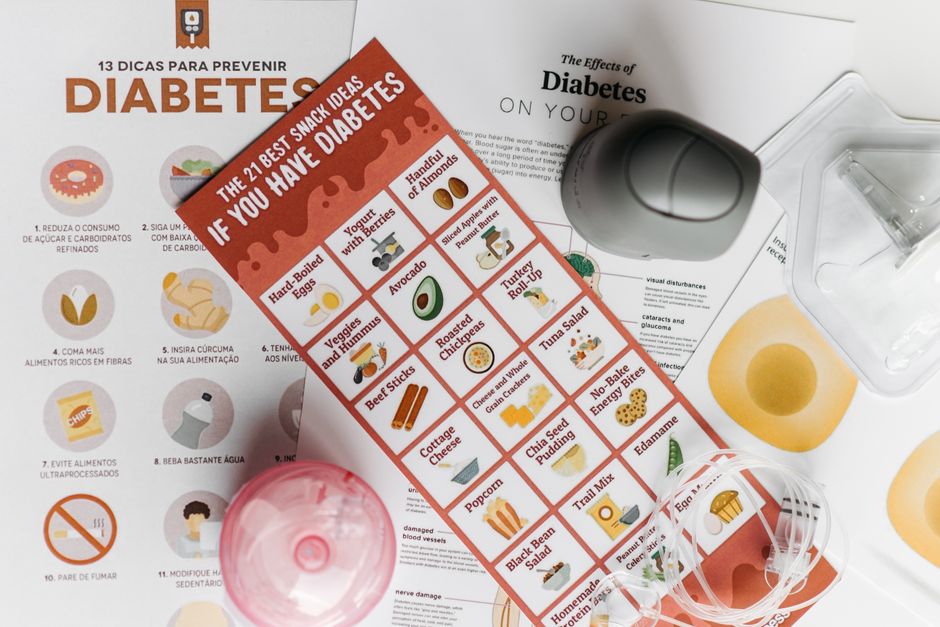
What Are the Best Low-Sugar Snacks for Diabetes?
Compare snack portions and labels, see why sugar-free is not automatically low-carb, and build practical pairings for diabetes.