
Can I Get Forklift Certified Online, or Do I Need a Hands-On Test?
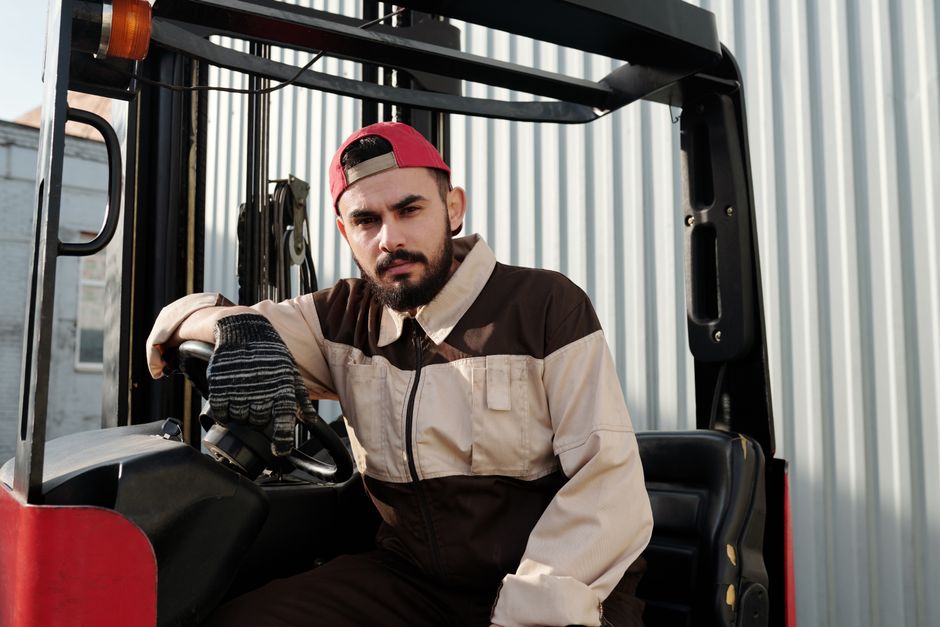
Online forklift instruction can count as the formal-instruction part of OSHA-compliant operator training, but an online course alone does not complete the process. OSHA also requires practical training and an evaluation of the operator’s performance in the workplace. The employer must ensure qualified people conduct the training and evaluation, certify completion, and arrange periodic and event-triggered refresher training.
Can I get forklift certified completely online?
No. An online course can provide formal instruction, but it cannot by itself complete the required training and evaluation. OSHA’s standard calls for formal instruction, practical training, and workplace evaluation as parts of one program.
According to OSHA’s powered industrial truck standard, formal instruction may include interactive computer learning, video, lectures, discussions, or written materials. Practical training is separate: the trainer demonstrates, and the trainee performs practical exercises. The final evaluation concerns the operator’s performance in the workplace.
That distinction matters when comparing a course certificate with authorization to operate at a particular job. A certificate from an online provider can show that formal instruction occurred. It does not, on its own, show that the worker received practical instruction on the truck and workplace conditions relevant to the job or passed a workplace evaluation.
The sources do not set a single price for individual online courses or team training. Costs depend on the provider and arrangement, so compare the course fee with what it includes. An employer arranging training for a team can use a qualified in-house trainer or an outside training organization, but either route still needs to cover relevant trucks and workplace hazards and include the practical and evaluation components.
Does OSHA accept online forklift training?
Yes, OSHA allows interactive computer learning as one form of formal instruction within a complete training program. It does not treat online instruction alone as a substitute for practical training and workplace evaluation.
OSHA’s Powered Industrial Truck Operator Training guidance puts the employer in charge of implementing the program and allowing only trained operators who have successfully completed it to operate powered industrial trucks. Training must address truck-related and workplace-related topics that apply to the job.
In practice, the training plan must connect the classroom material to the equipment and conditions the operator will face. OSHA’s forklift training assistance says training should address the truck types used, workplace hazards, and relevant safe-operation topics. A generic online lesson can cover formal instruction; the employer must ensure the remaining elements fit the actual workplace.
Responsibility does not disappear when a course provider, staffing agency, or outside trainer is involved. OSHA permits the employer to arrange training and evaluation externally, but the employer remains responsible for the program and the operator’s successful completion. For temporary workers, OSHA says the host employer is generally best placed to provide site-specific training and evaluation because it knows the equipment and controls the worksite.
Do I still need a hands-on test after an online course?
Yes, the operator must receive practical training and be evaluated in the workplace before operating the truck there. OSHA does not require one particular written test, but it does require a method for evaluating competence.
The evaluation must determine whether the operator can operate the powered industrial truck safely in the workplace. OSHA’s FAQ explains that watching a safety video alone does not meet the full standard. A qualified evaluator can assess competence through discussion, observation of the operator, review of previous training documentation, or a performance test.
“Hands-on test” can make the requirement sound narrower than it is. The essential point is a workplace performance evaluation by a qualified person, supported by practical training. The employer must make sure the method gives a sound basis to determine that the operator is competent for the truck and conditions involved.
OSHA requires the employer to certify that training and evaluation were completed. The record identifies the operator, training date, evaluation date, and the names of the people who conducted the training or evaluation. Those details matter whether the instruction was online, in person, or a mix of both.
Evaluation is not a one-time formality. OSHA requires each operator’s performance to be evaluated at least once every three years. Refresher training is also required after unsafe operation, an accident or near miss, an unsatisfactory evaluation, assignment to a different truck type, or a relevant workplace change. A new evaluation or refresher may therefore be needed before the three-year point.
Frequently Asked Questions
Who completes the workplace-specific forklift evaluation?
A person with the knowledge, training, and experience to train operators and evaluate competence must conduct it. The employer can use a qualified in-house person or an outside training organization. The employer remains responsible for ensuring the evaluation covers the operator and workplace.
How long does forklift certification last?
OSHA requires each operator to be evaluated at least once every three years; it does not make that interval a guarantee that an operator can work without refresher training until then. Refresher training is required after unsafe operation, an accident or near miss, an unsatisfactory evaluation, assignment to a different truck type, or a relevant workplace change.
Sources
- OSHA, 29 CFR 1910.178
- OSHA, Powered Industrial Truck Operator Training for General Industry
- OSHA, Powered Industrial Trucks (Forklift) — Training Assistance
- OSHA, Frequently Asked Questions about Powered Industrial Truck Operator Training
- OSHA, Temporary Worker Initiative: Powered Industrial Truck Training
Read next

How Can I Choose Food-Safe Packaging for My Product?
Match food packaging to its intended use, food type, storage conditions, barrier needs, and documented food-contact safety.

How Do Construction Contractors Protect Change-Order and Delay Rights With RFIs?
A practical construction RFI checklist for documenting clarifications, schedule exposure, notices, and change-order paths.

How Can I Safely Buy Commercial Inventory From Chinese Suppliers?
A first-time importer's guide to supplier checks, Incoterms, landed cost, customs documents, and product compliance.
How Do I Protect My Business When Leasing a Space Still Under Construction?
A practical guide to tying commercial rent to delivery, permits, fit-out access, occupancy approval, and landlord-delay remedies.