
How Do I Protect My Business When Leasing a Space Still Under Construction?
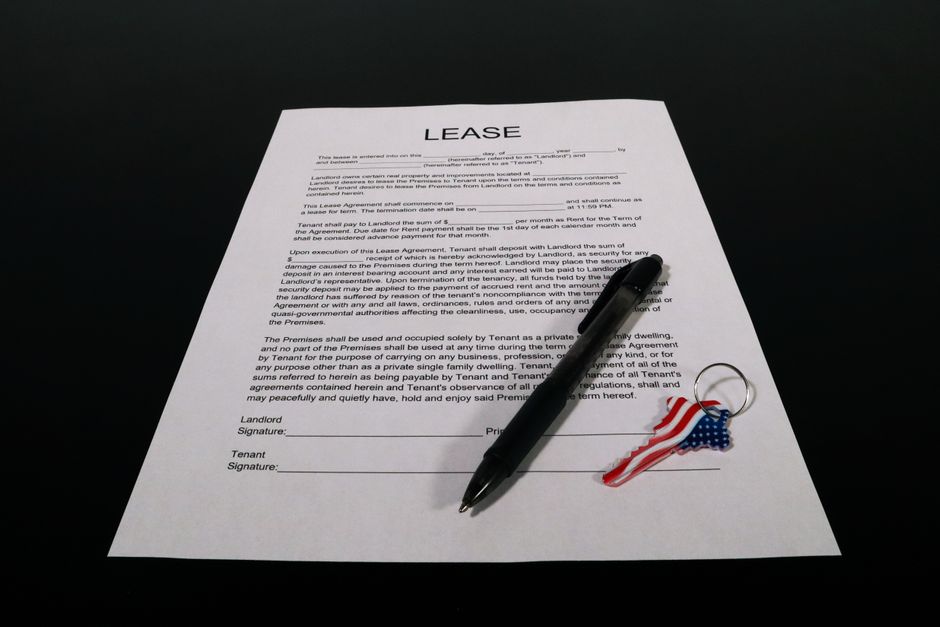
Do not let a lease make rent start before the space is lawfully ready for your business to open. Tie rent commencement to delivery in the agreed condition, required permits, tenant fit-out access, and the certificate of occupancy when one is required. Set an outside delivery date, define landlord delay, and preserve a remedy if the project misses it.
Will I have to pay rent while my commercial space is under construction?
You will pay rent during construction only if the lease says rent has started. That sounds plain. It is also where an unfinished-space deal can turn against the tenant.
The effective date, construction commencement date, occupancy date, and rent commencement date serve different jobs. Harvard Law School's Commercial Leases 101 toolkit separates the date a lease is signed, the date initial improvements begin, and the date the tenant occupies the space. Put each date in the lease. Do not allow one vague date to do all the work.
A useful model comes from the University of California, Santa Cruz standard lease: no rent accrues, and the tenant has no performance obligation, until the premises are delivered in the condition required by the contract. That is the cleanest starting point for a new-build or unfinished unit.
The lease should name the delivery condition. Core and shell is one condition. A finished tenant space is another. Neither phrase tells you enough alone.
| Lease item | What the agreement should state |
|---|---|
| Delivery condition | The exact landlord work, building systems, access, utilities, and approvals required before delivery. |
| Rent trigger | The event that starts rent: delivery in the agreed condition, lawful occupancy, or a stated combination. |
| Outside date | The final delivery date and the tenant remedy if it is missed. |
| Tenant delay | The narrow acts that count as tenant-caused delay and how delay is measured. |
| Punch list | When it is due, who completes it, and how remaining work affects the deal. |
Words are the walls of the deal. Vague words leave gaps.
What should trigger rent commencement if I cannot open yet?
Rent should commence when the agreed premises are delivered and the conditions for lawful occupancy and opening are met, not when construction looks close to done.
For many uses, opening requires more than keys. The City of Philadelphia Department of Licenses and Inspections says a change of use can require zoning approval, a building permit, and a certificate of occupancy before a business opens. Its notice tells prospective lessees and owners to decide before signing who will obtain required permits and complete required work.
The order matters in a core-and-shell project. Philadelphia's 2025 certificate-of-occupancy guidance says an individual tenant-space certificate cannot issue until the core-and-shell certificate has issued. It also says a tenant fit-out needs separate permits. A lease that starts rent on “substantial completion” but ignores this sequence can demand payment while the tenant still cannot lawfully occupy its own space.
State the required sequence in the lease. Landlord delivery first. Tenant access for fit-out next. Fit-out permits and work after that. Final inspections and the tenant-space certificate follow when required. Each party needs a defined duty at each stage.
A temporary certificate of occupancy changes the facts only when it permits the planned use. Philadelphia says a temporary certificate can allow occupancy while core-and-shell work continues if life-safety and code requirements are met. Seattle gives the same basic warning: the occupied area’s fire-protection and life-safety safeguards must be complete, functional, and inspected before a temporary certificate is issued. Temporary occupancy is a defined legal condition, not a promise that the building is nearly ready.
Use a written checklist. The same scorecard habit used to compare nearby private schools with a parent scorecard works here: turn each delivery promise into a checkable line item, then assign the responsible party and proof of completion.
Can I negotiate a rent-free fit-out or early-access period?
Yes. Negotiate early access for fit-out and keep rent at zero until the agreed rent trigger occurs, or negotiate reduced rent during the improvement period.
Harvard's toolkit advises tenants to seek lower rent during initial improvements because the business is not yet generating revenue. The UCSC model goes further by providing that no rent accrues until contractual delivery. These are different deal structures. The first discounts an early period. The second prevents rent before required delivery.
Early access needs its own rules. State whether access is for measuring, design, permit work, construction, deliveries, or all of them. State which party carries each work duty. State whether early access starts tenant insurance, indemnity, utility, or restoration duties. Access is useful. Unpriced risk is not.
Tenant-improvement money needs the same precision. The lease should say what work qualifies, what documents support a draw, who approves the work, and whether an unfinished landlord item blocks the tenant's draw or fit-out. The sources do not set a standard allowance amount or draw timetable. Those terms require direct negotiation.
Delay language deserves equal care. Holland & Knight recommends an outside completion date tied to an extension of rent commencement, with potential remedies including rent tolling or abatement, termination, daily liquidated damages, and self-help rights. The same source advises limiting force-majeure excuses to events outside the landlord's control, prompt notice, and commercially reasonable mitigation, while excluding routine permitting problems, supply-chain issues, and contractor underperformance.
Define tenant-caused delay narrowly. The UCSC model limits it to delay arising solely from specified tenant acts, including missed duties, changes after notice, or tenant-selected long-lead items. A broad tenant-delay clause can turn ordinary project friction into earlier rent.
Finish with the punch list. The UCSC model requires the tenant to submit it within an agreed period after notice of substantial completion and gives a one-year warranty period for defective tenant-improvement construction or materials. A punch list is not a substitute for a usable space. It is the record of what remains after usable delivery.
Frequently Asked Questions
Who pays when landlord work or permits delay my opening?
The lease decides this. Harvard Law School's toolkit explains that commercial tenants' rights are largely limited to the written agreement, so the lease should identify landlord delay and state the result: rent tolling, abatement, damages, self-help, or termination. It should also say who handles permits and work needed to establish the approved use.
What does substantial completion mean in a commercial lease?
Substantial completion should mean the landlord's work is complete enough for lawful occupancy and operational launch, not that most construction is finished. Holland & Knight recommends defining it that way so minor unfinished work does not trigger rent before the business can open. A punch list can then address remaining defects and incomplete items.
What lease protections should I ask for before signing a new-build retail space?
Ask for a detailed delivery condition, a clear division of permit duties, early fit-out access, a rent-commencement trigger, an outside completion date, and remedies for landlord delay. Also define substantial completion, preserve a punch-list process, and narrow force-majeure language so routine permitting, supply-chain, and contractor problems do not erase the landlord's duties.
The lease is not a forecast. It is the rulebook for the day the space is still unfinished and rent is due.
Sources
- City of Philadelphia Department of Licenses and Inspections: Commercial Lease Notice
- City of Philadelphia Department of Licenses and Inspections: Certificate of Occupancy Guidance
- Seattle Department of Construction and Inspections: Certificate of Occupancy Guidance
- University of California, Santa Cruz Standard Form Lease
- Harvard Law School Transactional Law Clinics: Commercial Leases 101
- Holland & Knight: When Landlord Work Is Late