
How Can I Choose Food-Safe Packaging for My Product?
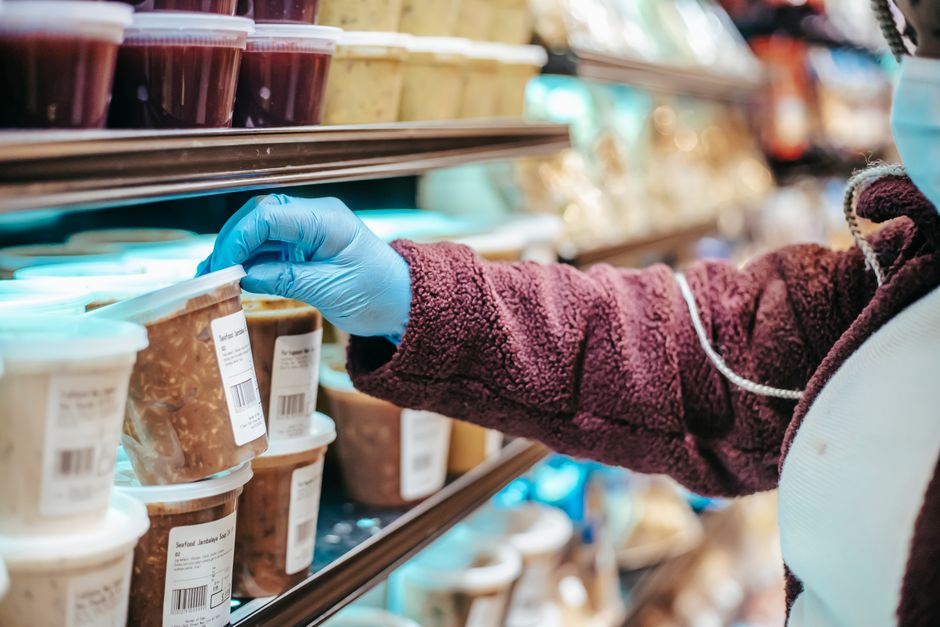
Choose packaging by matching its documented food-contact authorization and conditions of use to the food, processing, storage temperature, and expected shelf life. Ask suppliers for written assurances that name the material, intended food types, and temperature limits. Then test the packaged product under the storage conditions it will face; a material’s barrier and safety fit depends on how it is used.
How can I tell if packaging is safe for direct food contact?
Packaging is suitable for direct food contact when every substance reasonably expected to migrate into the food has a valid regulatory basis for that specific use. The U.S. Food and Drug Administration (FDA) lists several possible bases, including an applicable regulation, a recognized GRAS status, a prior sanction, a Threshold of Regulation exemption, or an effective Food Contact Substance Notification (FCN).
The details matter. An FCN applies to the submitting manufacturer, substance, and conditions identified in its notification. It does not automatically cover the same substance from another maker. FDA safety review considers migration into food, toxicological information, and expected consumer exposure under the proposed conditions of use.
Ask the supplier for written documentation that identifies the material and its intended use. FDA says customers may request a letter of guaranty certifying that a product is acceptable for its intended food-contact use. Check that the letter and supporting documents cover the actual food, contact conditions, and temperature—not merely the general material name.
For meat and poultry packaging, USDA’s Food Safety and Inspection Service (FSIS) says materials must meet FDA requirements for their intended use. FSIS also recommends supplier assurances that identify the brand and supplier and state conditions and limits, including temperature limits. A useful assurance is specific enough to compare with the way your product is made, packed, transported, and stored.
Is cardboard safe for packaging food?
Cardboard can be safe for food contact when its components and finished food-contact surface meet the requirements for the intended food and use. The word “cardboard” alone does not establish compliance: uncoated paperboard, coated board, inks, adhesives, and grease-proofing treatments can present different questions.
Under 21 CFR § 176.170, certain substances may be used in coated or uncoated paper and paperboard food-contact surfaces for aqueous and fatty foods, subject to the regulation’s provisions. It distinguishes food types such as aqueous foods, foods with free oil or fat, low-moisture fats and oils, and dry solids with or without free surface fat. For applicable materials, testing conditions for the finished contact surface reflect the intended food, time, and temperature. The regulation sets an extractives limit of 0.5 milligram per square inch for products subject to that test.
That specificity is practical. A dry product and an oily product do not challenge paperboard in the same way. A coating that serves one use cannot be assumed suitable for another; ask the supplier to name the food types and conditions covered by its documentation.
Grease resistance also deserves a direct question. FDA describes grease-proofing agents as substances applied to paper and paperboard to prevent grease, oil, or water from leaking through, and notes that transfer into food can occur. FDA reported in February 2024 that PFAS-containing substances were no longer being sold into the U.S. market for grease-proofing paper food packaging. In January 2025, it said 35 related food contact notifications were no longer effective because the manufacturers or suppliers had ceased production, supply, or use. Verify the current status of the specific treatment rather than relying on an old product description.
What packaging works best for wet or oily foods?
Wet or oily foods need packaging whose food-contact surface and barrier properties are suited to the product, its storage, and its intended contact time. A material’s name does not tell you whether it will resist liquid, oil, oxygen, or temperature exposure well enough.
Paperboard can work when the food-contact surface and any coating are authorized for that food type and conditions. For foods containing free oil or fat, check that the supplier’s documentation addresses fatty-food contact. For wet products, confirm aqueous-food suitability and whether the package is designed to contain liquid without leakage. Ask for the applicable test conditions, not a broad claim that the package is “food grade.”
Glass and metal offer strong barriers to gases and water, according to a U.S. Department of Agriculture Forest Service review. That can make them useful options when limiting outside moisture or gas exchange is central. The same review describes cellulose nanomaterial films as generally poor moisture barriers but strong oxygen barriers in dry conditions; their oxygen-barrier performance remains good below 65% relative humidity. Those findings show why barrier performance must be matched to the product and humidity rather than treated as one general property.
Plastic, paper, glass, and metal each describe broad material families, not one uniform package performance. Compare the exact package’s moisture and oxygen barriers, seal, durability through handling, and supplier documentation. Cost also depends on the specific format and supply arrangement; the available sources do not provide comparable prices, so request quotes for the same package size and requirements.
Oxygen control can matter for foods that spoil or change when exposed to air. FSIS explains that vacuum packaging removes air, while modified-atmosphere packaging replaces some or all of the oxygen with gases such as carbon dioxide or nitrogen. It also notes that oxygen hastens chemical breakdown and microbial spoilage in many foods. Those approaches are product-specific, so packaging choice cannot replace safe processing, storage, or shelf-life validation.
Frequently Asked Questions
How does packaging affect a food product’s shelf life?
Packaging changes how much oxygen, moisture, and other gases reach a product, while seals and storage conditions shape that exposure. USDA FSIS notes that oxygen hastens chemical breakdown and microbial spoilage in many foods. Test the product in its intended package under its actual storage conditions.
What should I ask a packaging supplier about food-contact safety?
Ask for written confirmation of the material’s intended food-contact uses, applicable authorization, and any limits on food type, temperature, or use. For meat and poultry packaging, USDA FSIS says supplier assurances should identify the brand and supplier and state applicable conditions and limits, including temperature limits. If authorization relies on an FCN, verify that it covers the actual manufacturer and intended use.
Sources
- U.S. Food and Drug Administration: Determining the Regulatory Status of Components of a Food Contact Material
- U.S. Food and Drug Administration: Understanding How FDA Regulates Substances That Come Into Contact With Food
- Electronic Code of Federal Regulations: 21 CFR § 176.170
- U.S. Food Safety and Inspection Service: Meat and Poultry Packaging
- U.S. Food and Drug Administration: Market Phase-Out of Grease-Proofing Substances Containing PFAS
- U.S. Department of Agriculture, Forest Service Research and Development
Read next

Can I Get Forklift Certified Online, or Do I Need a Hands-On Test?
Online instruction can count toward forklift training, but OSHA also requires practical training, a workplace evaluation, employer certification, and follow-up.

How Do Construction Contractors Protect Change-Order and Delay Rights With RFIs?
A practical construction RFI checklist for documenting clarifications, schedule exposure, notices, and change-order paths.

How Can I Safely Buy Commercial Inventory From Chinese Suppliers?
A first-time importer's guide to supplier checks, Incoterms, landed cost, customs documents, and product compliance.
How Do I Protect My Business When Leasing a Space Still Under Construction?
A practical guide to tying commercial rent to delivery, permits, fit-out access, occupancy approval, and landlord-delay remedies.