
How Should I Train for an Industrial Maintenance Technician Job?
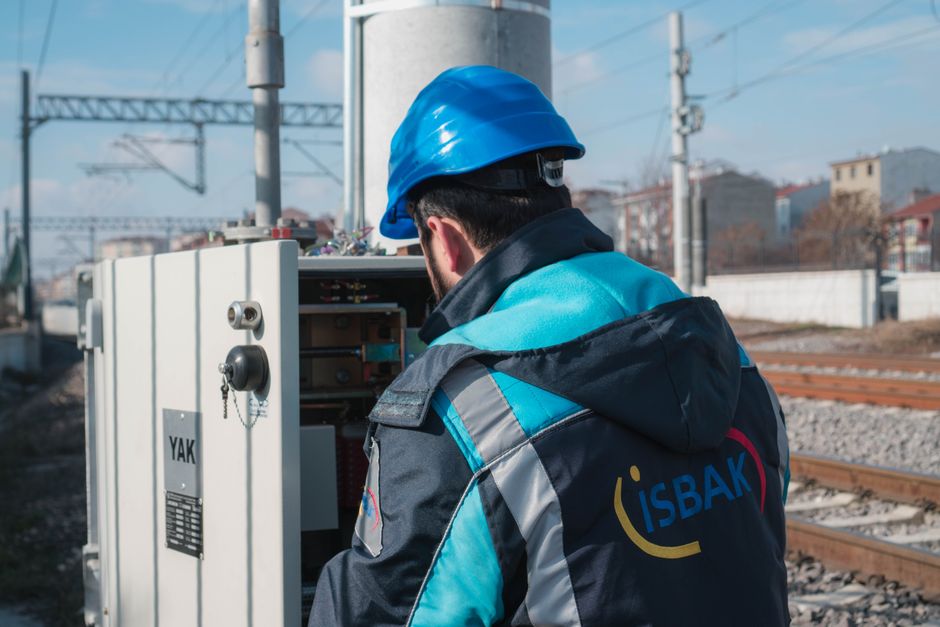
Choose training by comparing what you need most: structured practice, paid work experience, or a direct route into an employer. A college certificate or associate degree can build a broad technical foundation; an apprenticeship combines paid, supervised work with instruction; and employer-based training can get you started without prior experience. Check hands-on hours, total costs, PLC coverage, and employer connections before you commit.
What skills should a new industrial maintenance technician learn first?
Start with safe equipment practices, mechanical fundamentals, basic electricity, technical drawings, and troubleshooting. Those skills give you a usable base: you can follow a schematic, understand how a machine should operate, and investigate a fault methodically instead of guessing.
The Bureau of Labor Statistics (BLS) lists reading technical manuals and blueprints, diagnostic testing, mechanical troubleshooting, electronics, welding, shop math, and safe equipment repair among the occupation’s core skills. Use that list as a curriculum check. A program that covers only one specialty may leave gaps when you face equipment that combines mechanical, electrical, and control systems.
Next, look for hydraulics and pneumatics, motor controls, sensors, drives, and PLC programming and troubleshooting. For example, Tennessee College of Applied Technology Nashville’s industrial maintenance and mechatronics curriculum lists safety, mechanical maintenance, basic electricity, fluid power, motor controls, sensors, motor drives, AC/DC motor troubleshooting, PLCs, robotics, instrumentation and controls, machining, and welding. That breadth matters because a maintenance job may require you to trace a problem across more than one system.
When comparing courses, ask for the sequence and the practice method: “Which equipment will I work on, and how much time will I spend diagnosing faults?” A course title is not proof of hands-on depth. Look for time with tools and equipment, troubleshooting exercises, and instruction that moves from fundamentals into controls.
Is an apprenticeship better than a maintenance technician certificate?
An apprenticeship is better if you want paid, structured work experience; a certificate is often a better fit if you want organized classroom and lab training before applying. Neither route wins for everyone. The useful comparison is what each path gives you for its time and cost.
The BLS describes apprenticeships as paid work combining hands-on training and technical instruction. Its Career Outlook article says formal apprenticeships commonly last about four years, although duration varies by occupation. Most millwright apprenticeships last about three to four years and include at least 144 hours of technical instruction and up to 2,000 hours of paid on-the-job training per year, according to the BLS Occupational Outlook Handbook. Those figures describe millwright apprenticeships, not every industrial maintenance program.
Apprenticeship.gov lists maintenance mechanic and mechatronics technician among advanced manufacturing apprenticeship occupations. It also describes apprentices learning directly on employer equipment, with Department of Labor competency-based frameworks available to help employers structure training. That employer-specific practice can be a strong advantage, while a college program may provide broader coursework across equipment and concepts.
Use a simple comparison before enrolling:
| Route | Best fit | What to verify |
|---|---|---|
| Certificate | You want a focused technical foundation. | Total tuition and fees, separate book costs, lab time, PLC coverage, and employer links. |
| Associate degree | You want a broader, two-year college route. | Course sequence, hands-on practice, and whether classes include areas such as welding, math, hydraulics, and pneumatics. |
| Apprenticeship | You want paid job training paired with instruction. | Wage progression, instruction hours, work schedule, duration, and the skills framework. |
| Employer-based training | You have a hiring opportunity and are ready to learn at work. | Training plan, supervision, equipment exposure, and how progress is assessed. |
Compare actual offers rather than assuming that a label guarantees quality. The BLS reports that some apprenticeship agreements set starting wages at 50–70% or more of the journey-level wage, but terms vary. Ask the sponsor for its written wage schedule and training requirements.
College costs also vary. TCAT Nashville lists a typical program length of 16 months, 1,728 clock hours, tuition and fees of $6,164, and books and supplies separately at $1,391. Bellingham Technical College estimates $9,600 in tuition and fees for its 56-credit program based on three quarters, and lists annual living expenses separately. These are examples from specific schools, not universal prices; request a current, itemized estimate from any program you are considering.
Can I get hired as a maintenance technician without experience?
Yes, some applicants can enter without prior related work experience and develop skills through employer training. The BLS lists no related work experience as typical for entry-level industrial machinery mechanics and maintenance workers, and says a high school diploma is typically required.
Training after hire still takes time. The BLS says industrial machinery mechanics and machinery maintenance workers generally receive at least a year of on-the-job training, while machinery maintenance workers may train for a few months to a year. It also notes, “Industrial machinery mechanics and machinery maintenance workers typically receive more than a year of on-the-job training.” The duration depends on the role and the training needed; do not treat one timeline as a promise for every opening.
To assess an entry-level opening, ask: “What skills will I be expected to have on day one, and which will the employer train me to do?” Then ask how instruction is delivered, what equipment you will learn on, and how a supervisor checks progress. Those answers help you distinguish a real training path from a job listing that expects skills you have not yet had a chance to practice.
If you are weighing college against applying directly, compare the job requirements with your current skills. A certificate can help you demonstrate focused preparation; an apprenticeship supplies a formal paid training structure; and an employer may train a new hire on its own equipment. The right choice is the one that closes your skill gaps with a clear, affordable plan.
Frequently Asked Questions
Do technician training programs teach PLCs and troubleshooting?
Some do, but course coverage varies. Tennessee College of Applied Technology Nashville lists PLC programming and troubleshooting alongside electrical, mechanical, and controls topics. Compare the actual curriculum and ask what equipment and troubleshooting practice students receive.
How much does industrial maintenance technician training cost?
Costs vary by provider and what is included. TCAT Nashville lists tuition and fees of $6,164 and books and supplies separately at $1,391; Bellingham Technical College estimates $9,600 in tuition and fees for its program, based on three quarters. Ask each school for a current itemized estimate and check whether living costs are separate.
Choose your next step
Pick two routes and compare them on a single page: total cost, time, hands-on practice, PLC and troubleshooting coverage, and employer connection. Then contact each school or sponsor with the same questions so the answers are comparable. Your next move this week: write down the skills you already have, circle the gaps, and choose the training option that addresses the most important ones.
Sources
- U.S. Bureau of Labor Statistics, Occupational Outlook Handbook
- Apprenticeship.gov, Advanced Manufacturing
- Tennessee College of Applied Technology Nashville, Industrial Maintenance/Mechatronics
- Bellingham Technical College, Industrial Maintenance and Mechatronics Certificate
- U.S. Bureau of Labor Statistics, Career Outlook
Read next

How Do I Apply to a Swiss University and Get a Student Residence Permit?
A practical guide to Swiss university admission, student visas, residence permits, proof of funds, canton rules, and work limits.

Can I Become a Teacher With a Bachelor's Degree in Another Subject?
Compare alternative teacher certification routes, classroom requirements, exams, timelines, and state rules for career changers with a bachelor's degree.

How Do I Find a Beginner-Friendly Craft Class Near Me?
Find beginner-friendly local craft classes by comparing level, format, supplies, costs, equipment, and access before you enroll.

Compare Nearby Private Schools With a Parent Scorecard
Use a practical scorecard to compare nearby private schools by fit, full cost, campus evidence, financial aid, and admissions timing.