
How Do I Find a Beginner-Friendly Craft Class Near Me?
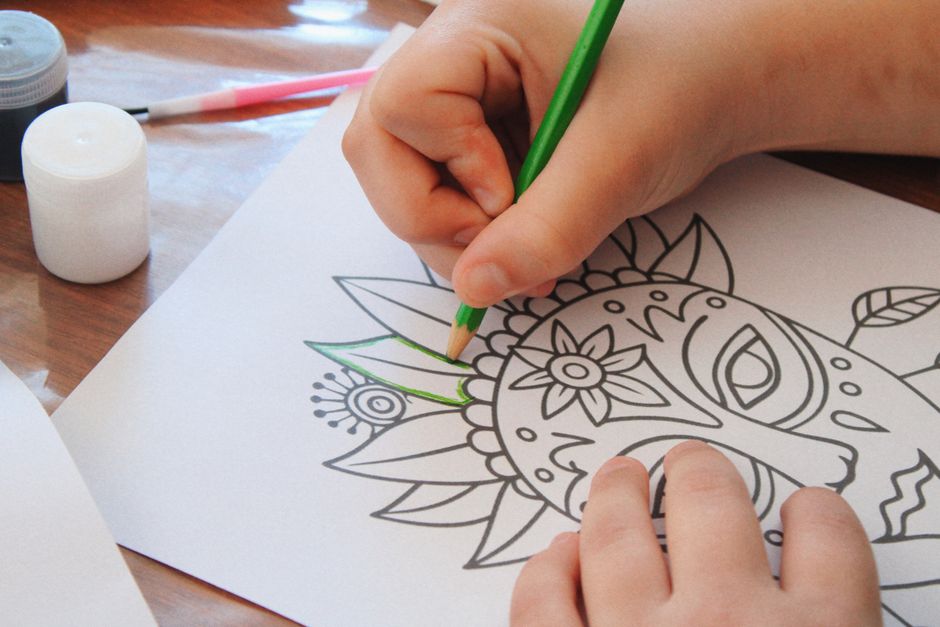
Find a beginner-friendly local craft class by searching libraries, makerspaces, community colleges, university craft centers, studios, and independent instructors, then compare the listing's stated skill level, format, supplies, total fees, equipment requirements, and cancellation terms. Start with a one-off workshop when you want a low-commitment trial; choose a multiweek course when you need repeated instruction and practice time.
Where can adults find craft classes near them?
Adults can find local craft classes through public libraries, makerspaces, community colleges, university craft centers, studios, and independent instructors. The search mistake is treating a studio as the only serious option. It is one option, not the whole map.
Start with your public library's event calendar and maker-space page. Libraries have a long-standing role in adult enrichment: a fall 2000 National Center for Education Statistics survey found that 39% of public library outlets offered recreational activities such as crafts, travel, or hobbies. That figure is historical evidence, not a promise about today's availability, so use it as a reason to check your own library rather than as a local forecast.
Library maker spaces can also solve the equipment problem. The Amarillo Public Library, for example, says cardholders can access sewing, quilting, and jewelry-making tools at its Downtown Library MakerSpace. Its official page also lists adult enrichment activities and year-round craft workshops. A library class may be a practical first stop when buying a sewing machine or specialty tools would otherwise block you.
Next, search continuing-education catalogs at nearby community colleges and universities. These listings usually expose the details that determine whether a class will work for you: duration, level, tuition, included fees, instructor, and participant-supplied equipment. Howard Community College's creative-arts catalog is a useful model because it labels its beginner courses and spells out both materials fees and items a student must bring.
Use this search sequence. It keeps the recipient's cognitive load low and prevents a pile of tabs from becoming a decision.
- Search by place and craft: use phrases such as “adult beginner pottery class,” “library sewing workshop,” or “community college knitting course,” plus your city or postal code.
- Open the actual class page: do not rely on a calendar headline or social-media post. The details page should name the level, dates, total price, materials, and policy.
- Make a short comparison list: keep only classes that state enough information to evaluate. Missing material details create surprise costs later.
- Contact the organizer with one precise question: “I have no prior experience. Is this class designed for a true beginner, and what must I bring or buy before the first session?”
What crafts are easiest for a complete beginner to learn in a class?
The easiest craft is the one whose class clearly teaches first-step techniques, supplies the necessary tools, and gives you a manageable first outcome. Ceramics, sewing, knitting, jewelry making, and woodworking can all work for beginners, but the class description must match your starting point. “Creative” is not a skill level.
Choose hand-building or a carefully described introductory pottery class if you want clay without assuming wheel experience. The University of New Mexico Continuing Education beginner pottery-wheel course teaches centering clay, shaping, and trimming, provides supplies and tools, and recommends hand building first for people with no previous clay experience. That recommendation is useful screening language: it does not disqualify you; it tells you which on-ramp is likely to reduce frustration.
For fiber crafts, look for a beginner knitting course that names simple projects, or an introductory sewing course that identifies the equipment requirement. Howard Community College lists a six-week beginner knitting course with two to four simple projects. Its Garment Sewing I course is suitable for beginners but requires students to bring their own sewing machine. Same broad category. Different readiness check.
| Interest | Good first-class signal | Question to ask before booking |
|---|---|---|
| Pottery | Hand building or beginner wheel techniques are named | “Do I need prior clay experience, or is hand building the recommended first step?” |
| Sewing | The course says beginner and specifies machine access | “Is a sewing machine provided, rented, or required from me?” |
| Knitting | The listing promises simple starter projects | “Are yarn and needles included in the stated fee?” |
| Jewelry making | The venue identifies access to relevant tools | “Which tools and materials are included for the first project?” |
| Woodworking | The workshop names a foundation skill and outcome | “Is this a first-time class, and are all safety tools supplied?” |
For wood, metals, glass, fibers, and clay, do not assume a short class is automatically introductory. The Tennessee Tech University Appalachian Center for Craft explicitly offers workshops across those areas for a variety of skill levels and distinguishes outcomes such as spindle-turning foundations. That is the signal to seek: a specific foundation, not a vague promise of fun.
Weak filter: “This looks interesting.” Strong filter: “The listing says beginner, names the first techniques, states the outcome, and explains the prerequisite.” Use the strong filter. It saves you from paying for a class built for people already past the first hurdle.
Do craft classes provide the materials, or do I need to buy my own?
Craft classes may provide all supplies, include some materials in the fee, or require you to bring equipment and purchase extras, so read each listing rather than assuming the advertised price is the full cost. Materials are not a footnote. They are part of the enrollment decision.
There is no universal policy, even within similar programs. Wheelhouse Studios at the University of Wisconsin-Madison says most courses require no prior experience and include supplies in the course fee unless the listing says otherwise. Oregon State University's Craft Center lists a first bag of clay as included for multi-class workshops, while its catalog separately offers one-evening workshops and multiweek introductory courses. Format can change the materials deal.
Howard Community College's beginner pottery listing is even more explicit: its materials fee covers clay, paints, tools, and glazes, while students are responsible for additional materials they choose to buy. Its beginner sewing course requires a personal sewing machine. Read that as a planning prompt, not a technicality: confirm the class price, mandatory fee, included consumables, and required equipment before you commit.
The Total-Cost Check
Use this four-line check on every listing. Write the answers down before you compare classes.
- Tuition: What is the stated enrollment price?
- Required fees: Is there a separate materials, facility, or registration fee?
- Included supplies: Which clay, yarn, tools, glazes, findings, or consumables are covered?
- Your responsibility: Do you need a sewing machine, protective gear, replacement materials, or extra project supplies?
Then check the cancellation and absence rules on the organizer's own page. The supplied sources do not provide a general cancellation standard, so do not invent one. Ask directly: “What is the refund or transfer policy if I cannot attend?” and “Can I make up a missed session?” A clear answer is part of a beginner-friendly experience.
Pick the format that fits your next move
Choose a one-off workshop when your real question is, “Do I enjoy this enough to continue?” Oregon State University lists one-evening pottery workshops at $30 for non-students, while Tennessee Tech lists holiday mini-workshops with example tuition from $55 to $75, including a three-hour beginner-friendly woodturning workshop at $75. These are concrete examples, not a national price rule.
Choose a multiweek course when you need repetition, feedback, and time to build a sequence of skills. Oregon State lists introductory sewing courses across six or seven weeks at $140 for non-students and multiweek introductory pottery at $160 for non-students. Howard Community College lists a nine-week beginner pottery course at $179. The tradeoff is simple: more sessions create more practice opportunities, but they require more calendar and budget commitment.
Open-studio access is the continuation option, not automatically the first step. Wheelhouse Studios provides participants with two weeks of studio access after completing a class and offers a studio pass for continued work. That structure matters because a finished class project is not the same thing as a repeatable skill. If practice time is your bottleneck, ask whether post-class access exists before you enroll.
Your assignment: identify three local listings this week. For each one, write down the level, format, total known cost, included materials, required equipment, and cancellation answer. Book the option with the fewest unanswered questions and the clearest first-session plan.
Frequently Asked Questions
How much do local pottery, sewing, or knitting classes usually cost?
Prices vary by location, duration, and included materials, so compare local listings rather than assuming one standard rate. Examples in the provided catalogs range from a $30 one-evening non-student pottery workshop at Oregon State University to a $160 multiweek pottery course; Howard Community College lists a six-week beginner knitting course at $119, Garment Sewing I at $129, and a nine-week beginner pottery course at $179. Check whether the stated price includes materials and whether the class requires equipment you must supply.
Are community-center craft classes better than classes at a studio?
Neither format is automatically better; the useful choice depends on the access, instruction, and supplies the listing actually provides. Libraries and makerspaces can offer tools and adult craft activities, while studios and university craft centers may offer specialized formats, multi-session instruction, and post-class studio access. Compare the course details instead of choosing based on the venue name.
How can I tell whether a craft workshop is suitable for beginners?
Look for a plainly stated beginner or introductory level, a list of techniques taught, and an explicit note about prior experience or prerequisites. A strong listing also says what supplies are included, what you must bring, how long the class runs, and what you will make or practice. If the description says no experience is necessary, still check whether it recommends an earlier class for people entirely new to the material.
Sources
- National Center for Education Statistics, U.S. Department of Education
- Amarillo Public Library
- Howard Community College Creative Arts
- University of New Mexico Continuing Education
- Oregon State University Craft Center
- University of Wisconsin-Madison Wisconsin Union Wheelhouse Studios
- Tennessee Tech University Appalachian Center for Craft